How Digital Culture Shapes Communication, Media, and Society
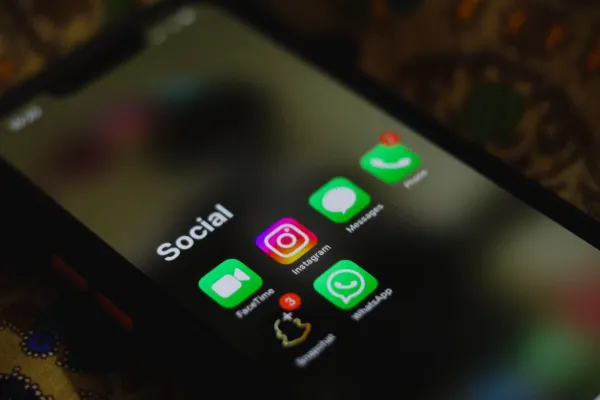
Digital culture represents the intersection between internet technology, human communication, and social expression. As online platforms, social networks, and digital communities expand, they fundamentally reframe how cultural norms, language, work environments, and media consumption evolve.
The Shift from Offline Communities to Digital Hubs
Historically, cultural discourse was anchored to physical geographic locations and traditional broadcast networks. Today, global micro-communities form around shared interests, creative passions, and professional endeavors online.
This hyper-connected model democratizes content creation, allowing individuals to broadcast ideas, start global conversations, and influence mainstream trends independently. Learn more about our digital publication values on our About Us page.
Defining Characteristics of Modern Internet Culture
Exploring the core mechanics of digital spaces highlights how human behavior adapts to connected environments:
Key Dynamics in Digital Spaces
- Algorithmic Curation: Personal feeds deliver hyper-targeted media, shaping individual perspectives and cultural trends.
- Memetic Communication: Visual memes, short-form video formats, and digital idioms serve as rapid mediums for social commentary.
- Remote and Hybrid Work Communities: Digital workplace software transforms professional culture, decoupling career growth from geographic location.
Balancing Online Engagement and Mental Well-Being
While digital culture fosters global connection, managing constant connectivity requires deliberate digital boundaries. Setting conscious limits on screen exposure and practicing media literacy protects cognitive focus and mental health.
Are you a cultural commentator, media scholar, or digital creator? Share your perspectives with our audience via our Write for Us guidelines or contact our editors on the Contact Page. Read about our operational standards on the Privacy Policy and Terms of Use.